
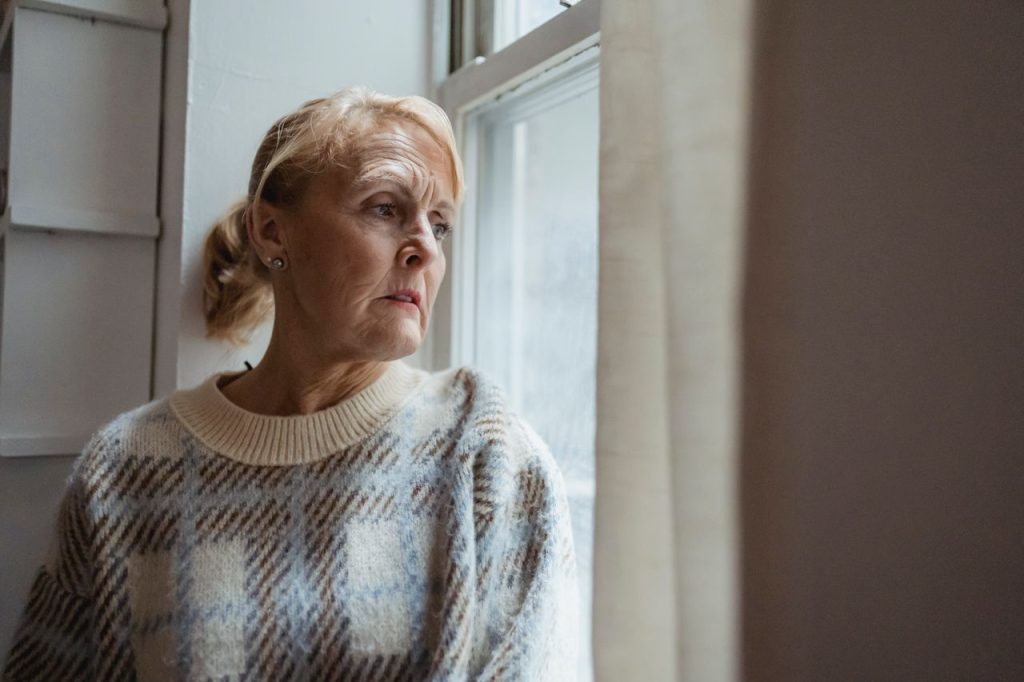
When we picture loneliness, we often imagine someone sitting alone.
But loneliness isn’t always that obvious.
You can live alone and feel perfectly connected.
You can also have a family, coworkers, neighbors, hundreds of social-media connections—and still feel lonely.
That’s because loneliness isn’t simply about how many people are around us.
It’s about whether we feel meaningfully connected to them.
And that can look very different from one person to another.
Sometimes Loneliness Comes From a Change
Life changes.
Children leave home.
A close friend moves away.
Someone retires after decades of seeing coworkers every day.
A relationship ends.
A person moves to a new city.
A spouse dies.
Someone becomes less mobile and stops participating in activities they once enjoyed.
A hospital stay or recovery period interrupts everyday routines.
Suddenly, the people and interactions that once filled the week aren’t there in the same way.
This kind of loneliness may come during a particular chapter of life.
Sometimes new routines and relationships gradually fill the space.
Sometimes they don’t.
You Can Feel Lonely Even When You’re Surrounded by People
This is one of the most misunderstood things about loneliness.
Being around people isn’t necessarily the same as feeling connected.
Someone can live in a busy residential community and still wish they had one person to really talk with.
Someone can work in an office full of people and feel that none of those relationships extend beyond work.
Someone can attend parties and social events while still feeling that something is missing.
And someone can have loving family members who simply live too far away to be physically present very often.
Loneliness isn’t always about being physically alone.
Sometimes it’s about missing the kind of connection you want.
Living Alone Doesn’t Automatically Mean You’re Lonely
The opposite is also important.
We shouldn’t assume someone is lonely simply because they live alone.
Many people love living independently.
They may have active friendships, hobbies, family relationships, community involvement, work, travel, or simply enjoy their own company.
Companionship should never begin with the assumption:
“You’re alone, so something must be wrong.”
A better question is:
“Would you enjoy having more opportunities to spend time with people?”
That’s a very different conversation.
Sometimes We Miss a Particular Kind of Connection
Not every relationship gives us the same thing.
You might love your family but wish you had someone who shared your passion for art.
You might have wonderful coworkers but want someone to explore your city with on weekends.
You might talk with your children every day but miss having someone nearby for coffee.
You might have friends but no one who wants to go to the museum, watch old movies, garden, cook, or take walks as often as you do.
Sometimes we’re not missing people.
We’re missing a particular kind of connection.
Technology Helps—but It Doesn’t Always Replace Being Together
Technology has made it easier than ever to stay connected.
We text.
We call.
We video chat.
We share photographs.
We follow one another online.
Those connections can be valuable, especially when people live far apart.
But sometimes you want something technology can’t completely reproduce.
Someone sitting across the table.
Someone walking beside you.
Someone laughing at the same moment.
Someone sharing an experience with you in real time.
Digital connection and in-person companionship don’t have to compete.
We can value both.
Companionship Can Be Intentional
We often assume meaningful human connection must happen accidentally.
You meet a neighbor.
You become friends with a coworker.
You join a group.
Someone introduces you to someone else.
But connection can also be intentional.
You can decide:
“I’d like more people in my life.”
Or:
“I’d like someone to do things with.”
Or simply:
“I’d enjoy some company.”
There’s nothing unusual about that.
We intentionally find people to exercise with, work with, travel with, learn from, and share hobbies with.
Why shouldn’t we be equally intentional about companionship?
What Kind of Connection Are You Looking For?
Instead of asking only whether someone is lonely, perhaps we should ask better questions.
Would you enjoy more conversation?
Would you like someone to share meals with occasionally?
Would you like someone who enjoys the same hobbies?
Would you like to get out of the house more?
Would you enjoy having someone to explore your city with?
Would you like someone who speaks your language or understands your culture?
Would you simply enjoy knowing that someone is coming over Tuesday afternoon?
Those answers tell us much more about a person than the label “lonely.”
Connection Is Personal
There isn’t one solution to loneliness because there isn’t one kind of loneliness.
For some people, family provides all the connection they want.
For others, friendships matter most.
Some people love groups and communities.
Others prefer spending time one-on-one.
And some simply want another person to occasionally share an ordinary afternoon with.
At SitByYou, we believe companionship should start with the individual.
Who are you?
What do you enjoy?
What kind of person do you like spending time with?
What would make your week a little more interesting?
Because meaningful companionship isn’t about labeling someone as lonely.
It’s about helping people create more of the human connection they want in their lives.